Small Acts of Kindness: Spreading Hope Together
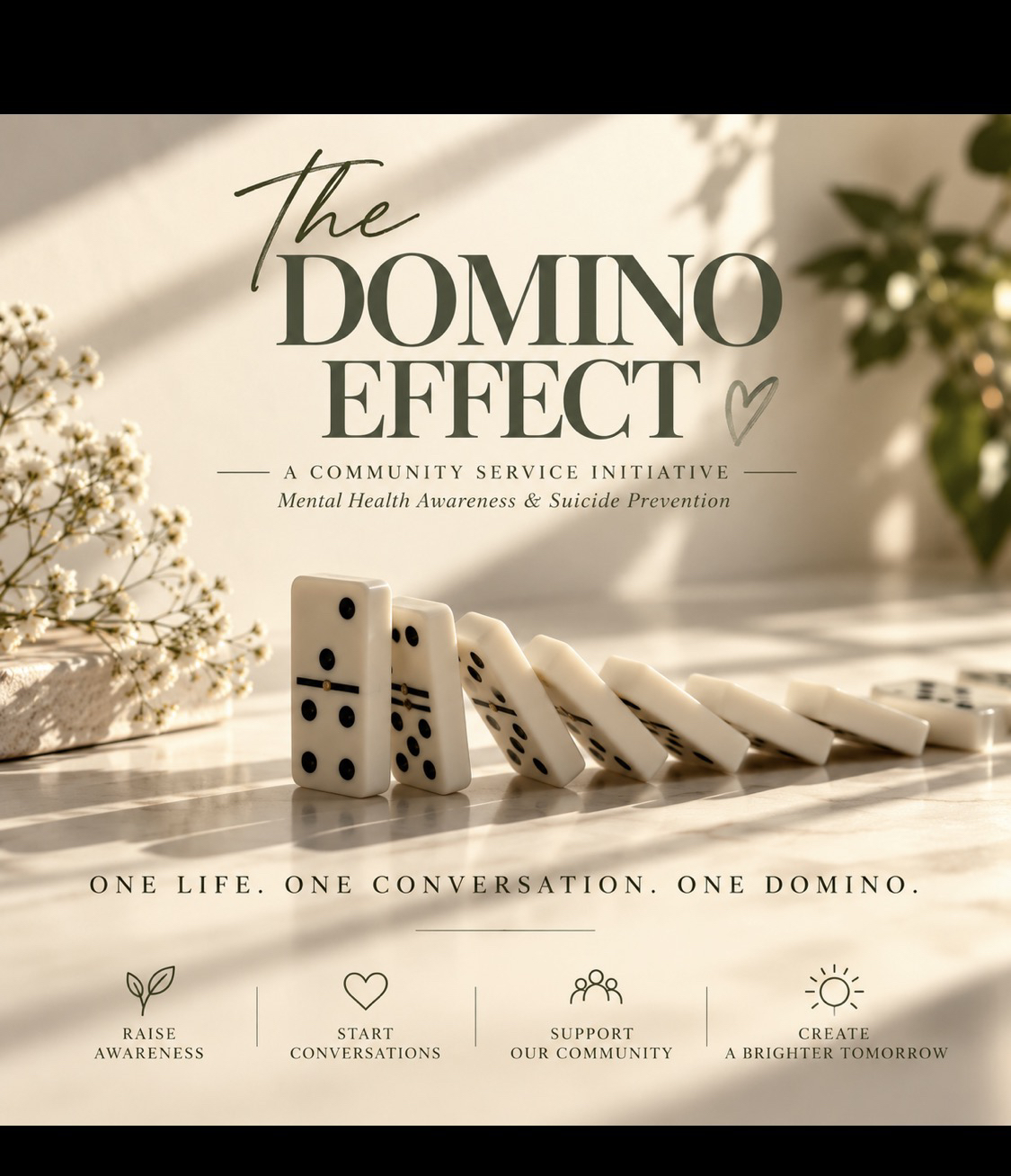
In a world that often feels overwhelming, small acts of kindness can be a beacon of hope. These simple gestures have the power to uplift spirits, foster connections, and create a ripple effect of positivity. Whether it’s a smile from a stranger or a helping hand to someone in need, these acts remind us of our shared humanity. This blog post explores the significance of kindness, practical ways to incorporate it into our daily lives, and the profound impact it can have on individuals and communities.
The Importance of Kindness
Kindness is more than just a nice gesture; it is a fundamental aspect of human interaction. Research shows that engaging in acts of kindness can lead to increased happiness and improved mental health. Here are some key reasons why kindness matters:
Strengthens Relationships: Acts of kindness can strengthen bonds between friends, family, and even strangers. When we show kindness, we create an environment of trust and support.
Promotes Well-Being: Studies indicate that performing acts of kindness can boost our mood and reduce stress. Helping others can lead to a sense of fulfillment and purpose.
Creates a Positive Environment: Kindness can be contagious. When one person acts kindly, it often inspires others to do the same, creating a more compassionate community.
Simple Ways to Spread Kindness
Incorporating kindness into our daily lives doesn’t require grand gestures. Here are some simple yet impactful ways to spread kindness:
1. Compliment a Stranger
A genuine compliment can brighten someone’s day. Whether it’s admiring someone’s outfit or acknowledging their hard work, a few kind words can make a significant difference.
2. Volunteer Your Time
Giving your time to a local charity or community organization can have a profound impact. Whether it’s serving at a soup kitchen or helping at an animal shelter, volunteering connects you with others and fosters a sense of community.
3. Write a Thank-You Note
In our digital age, a handwritten note can feel especially meaningful. Take a moment to express gratitude to someone who has made a difference in your life. This small act can strengthen your relationship and uplift the recipient.
4. Share Your Skills
If you have a particular skill or talent, consider sharing it with others. Whether it’s teaching a cooking class or offering tutoring sessions, sharing your knowledge can empower others and create a supportive environment.
5. Perform Random Acts of Kindness
Surprise someone with a small act of kindness, such as paying for a stranger’s coffee or leaving a positive note for a coworker. These spontaneous gestures can create a ripple effect of positivity.

The Ripple Effect of Kindness
The beauty of kindness lies in its ability to create a ripple effect. When one person performs an act of kindness, it often inspires others to do the same. This chain reaction can lead to a more compassionate society.
For example, consider a scenario where someone helps an elderly neighbor carry groceries. This act not only assists the neighbor but may also inspire onlookers to engage in their own acts of kindness, whether it’s helping a friend or volunteering in their community.
Real-Life Examples of Kindness
Paying It Forward: A coffee shop in a small town started a “pay it forward” program, where customers could prepay for someone else’s drink. This initiative led to a community-wide movement, with patrons continuing to pay for each other’s orders for weeks.
Community Clean-Up: A group of friends organized a neighborhood clean-up day. Their efforts not only beautified the area but also brought residents together, fostering a sense of community pride and connection.
Overcoming Barriers to Kindness
While the desire to be kind is often innate, various barriers can prevent us from acting on it. Here are some common obstacles and how to overcome them:
1. Time Constraints
Many people feel they don’t have enough time to engage in acts of kindness. However, kindness doesn’t have to be time-consuming. Small gestures, like holding the door open or offering a smile, can be done in seconds.
2. Fear of Rejection
Some may hesitate to act kindly due to fear of rejection or misunderstanding. Remember that kindness is about the intention behind the act. Even if the recipient doesn’t respond as expected, your effort still matters.
3. Feeling Overwhelmed
In a world filled with challenges, it’s easy to feel overwhelmed and question whether our small acts can make a difference. However, every act of kindness contributes to a larger movement of compassion.
The Long-Term Impact of Kindness
Engaging in acts of kindness not only benefits others but also has lasting effects on our own lives. Here are some long-term benefits:
Improved Mental Health: Regularly practicing kindness can lead to lower levels of anxiety and depression. The positive feelings associated with helping others can enhance our overall well-being.
Stronger Communities: Communities that prioritize kindness tend to be more resilient and supportive. When individuals come together to help one another, it creates a stronger social fabric.
Increased Empathy: Acts of kindness can enhance our ability to empathize with others. Understanding the struggles of those around us fosters a more compassionate worldview.
Encouraging Kindness in Children
Teaching children the importance of kindness can have a lasting impact on their development. Here are some ways to encourage kindness in young ones:
1. Model Kind Behavior
Children learn by observing. By demonstrating kindness in your daily life, you set an example for them to follow.
2. Discuss Kindness
Talk to children about the importance of kindness and how it can make a difference in the world. Share stories of kindness and encourage them to think of ways they can be kind.
3. Create Kindness Challenges
Encourage children to participate in kindness challenges, where they perform a certain number of kind acts each week. This can be a fun way to engage them in spreading positivity.
Conclusion
Small acts of kindness have the power to transform lives and communities. By incorporating kindness into our daily routines, we can create a more compassionate world. Remember, every act counts, no matter how small. Let’s commit to spreading hope together, one kind gesture at a time.
As you go about your day, think of one small act of kindness you can perform. Whether it’s a compliment, a helping hand, or simply a smile, your actions can inspire others and create a ripple effect of positivity. Together, we can make the world a brighter place.
Comments